
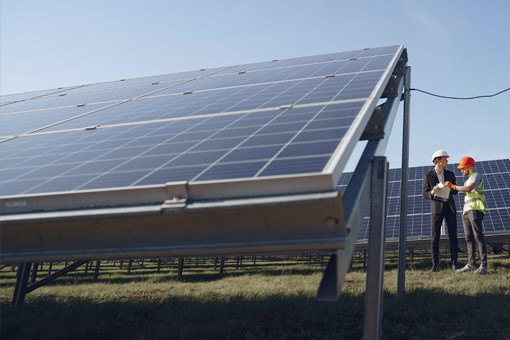
Renewable energy infrastructure is growing at a rate unimaginable a decade ago across Australia and, by extension, the world. Solar farms span open areas; wind turbines now define entire areas; and national energy plans increasingly depend on renewables to provide long-term stability. Naturally, most of the focus is on what one can see: The panels, the blades, the substations murmuring away in the background.
However, these initiatives also have another layer that is seldom discussed outside engineering sessions. This is underground infrastructure: Power cables, conduits, and backfill materials that quietly keep everything running. If those systems don’t perform properly, even the most advanced renewable setup can start to struggle. This is the reason that using the best Thermal Resistivity (TR) products is vital.
TR products are used extensively in solar and wind farm construction to manage heat around buried electrical systems. They’re not visible once installed, but they have a direct impact on performance, safety, and long-term costs. Choosing the right TR material can make a measurable difference over the life of a project. The reasons are explained below.
What Are Thermal Resistivity (TR) Products?
Thermal Resistivity (TR) products are engineered materials designed to control the movement of heat through soil. In simple terms, they help heat escape. Particularly where loads are high or operating temperatures are expected to increase, these products are often used as backfill or bedding around subsurface electrical cables and conduits.
Heat is produced when an electric current runs across a cable. The heat accumulates because it cannot escape from the cable quickly. Natural soils don’t possess the characteristics to do this. Dry sands, loose fill, inconsistent compaction, all of these create air pockets and resistance, trapping heat where it is not wanted.
TR products are formulated to solve that problem. They provide consistent contact around cables, predictable compaction, and low thermal resistivity values that allow heat to move into the surrounding ground more easily.
Multi Minerals Australia supplies Thermal Resistivity (TR) products that are tested and refined for real conditions, not just lab specifications. Temperature variation, moisture changes, long-term loading, all of that is factored in, because that’s what actually happens on site.
Heat Management Challenges in Solar and Wind Farms
Renewable energy technologies create considerably more heat than many people know. Solar panels, for instance, absorb immense solar radiation. Only some of that energy turns into electricity. The balance turns into heat. Wind farms may rely on airflow, but transformers, substations, and underground transmission networks still generate significant thermal loads.
The most critical risk often sits underground. Power cables connecting panels, turbines, and substations can carry high loads for long periods, sometimes continuously. If the surrounding soil doesn’t allow heat to dissipate properly, cable temperatures start to climb. Once that happens, efficiency drops, insulation begins to degrade faster, and the risk of failure increases.
On paper, everything might look acceptable. In practice, trapped heat can lead to derating, forced shutdowns, or, in extreme cases, early cable replacement. This is expensive. It’s disruptive and it’s usually avoidable. Effective thermal management isn’t optional in renewable projects; it’s fundamental to safety, compliance, and long-term performance.
How Thermal Resistivity (TR) Products Improve System Performance
Thermal Resistivity (TR) products improve performance by creating a reliable, low-resistance pathway for heat to move away from underground electrical assets. Instead of heat building up in one spot, it spreads more evenly into the surrounding ground.
This matters more than it might sound. Uniform heat dissipation reduces thermal hotspots and stabilizes operating temperatures across the system. Over time, that stability protects cable insulation, joints, and associated components from premature ageing. The infrastructure simply performs better for longer.
From an operational point of view, this means fewer unexpected outages, less emergency maintenance, and more predictable performance. Over a 25 to 30-year project lifespan, which is standard for solar and wind farms, those benefits compound. The upfront decision to use quality TR materials saves far more than it costs.
Specific Applications for TR Products in Renewable Projects
In practice, the value of Thermal Resistivity (TR) Products becomes clearer when you look at how they’re used across renewable energy sites. Different areas have different demands, but the underlying goal remains the same: Control heat and protect infrastructure.
Underground Power Cable Backfill
One of the most common applications is as backfill around underground power cables. TR products compact evenly, filling voids and eliminating air gaps that would otherwise block heat transfer.
In high-load conditions, peak generation periods, hot climates, or dense cable corridors, this consistent thermal environment becomes critical. Cables operate closer to their design ratings, without the need for conservative assumptions that limit output.
Solar Farm Substations and Conduits
Within solar farms, electrical infrastructure tends to cluster around substations and inverter zones. These areas naturally experience higher thermal loads. TR products help maintain stable temperatures around conduits and cable routes feeding into these hubs, protecting sensitive equipment and improving overall system resilience.
Wind Farm Electrical Distribution Networks
Wind farms often involve long, distributed cable networks connecting turbines spread over vast areas. That complexity makes uniform thermal performance essential. Thermal Resistivity (TR) products help ensure no single section of the network becomes a weak point, supporting both safety and consistent energy output across the site.
Engineering Standards and Testing for TR Products
Not all materials labelled as “thermal backfill” perform the same way. Genuine Thermal Resistivity (TR) products undergo laboratory testing to confirm thermal resistivity values under different moisture contents and compaction levels. This testing gives engineers confidence that what’s specified on paper will actually perform in the ground.
For large renewable projects, this matters. Cable failure can mean significant financial losses and extended downtime. Specifications often require materials to meet defined thermal thresholds at specific compaction rates.
Multi Minerals Australia develops its TR products with these requirements as a priority and produces a premium product, which reduces risk during both construction and long-term operation.
Quality testing also supports compliance with safety standards and project approvals. It’s one of those behind-the-scenes details that can make or break a project schedule.
Long-Term Benefits of Using Quality Thermal Resistivity Materials
The benefits of using high-quality Thermal Resistivity (TR) products don’t stop once construction wraps up. Improved thermal performance slows degradation, protects electrical systems, and helps infrastructure perform as intended for longer.
Reduced overheating means fewer unplanned outages and less emergency repair work. Maintenance becomes more predictable, and asset reliability improves. This stability is critical, both technically and commercially for projects tied into national grids..
In a sector where long-term performance is under constant scrutiny from investors and regulators, TR products contribute quietly but meaningfully to overall project success.
FAQs
What are Thermal Resistivity (TR) Products?
They are engineered natural products encasing underground electrical cables to reduce heat buildup and improve thermal performance.
Why are TR products critical in solar and wind farms?
They help dissipate heat from power cables, improving efficiency, safety, and long-term reliability.
How do TR products protect underground cables?
By lowering thermal resistance, they prevent overheating and reduce stress on cable insulation over time.
Conclusion
Renewable energy projects deserve the attention they get for supporting a cleaner future. However, their success depends on more than what’s visible above ground. Thermal management of underground electrical systems is a foundational engineering requirement, not an afterthought.
Thermal Resistivity (TR) products play an essential role in protecting cables, improving efficiency, and extending the lifespan of solar and wind farm infrastructure. By choosing proven, high-performance TR materials from an experienced supplier like Multi Minerals Australia with their own quarry, project teams can reduce risk, control costs, and build assets that last.
Planning a solar or wind farm project in NSW? Visit our website to explore your thermal backfill options. Our experienced team can provide technical specifications, supply timelines, and competitive pricing tailored to your project. We have supplied our TR product to multiple solar and wind farms in NSW over a significant period.
For More Insights Click Below:
